Why a Will Is Not Enough for a Complete Estate Plan
When people think about estate planning, the first document that usually comes to mind is a will. A will is important, but it does not always protect every part of your estate.
For homeowners and families, that distinction matters because certain assets may pass outside of a will, which can create confusion, delays, or unintended outcomes.
At Landmark Living Realty, we often talk with homeowners who are thinking about the future of their property and how to protect their family’s interests. Understanding the limits of a will is an important step in creating a stronger estate plan.
What a will actually does
A will is a legal document that explains how you want certain assets distributed after your death. It can also name guardians for minor children and help guide the probate process.
That said, a will only controls assets that are actually part of your probate estate. If an account has a named beneficiary, or if property is jointly owned, those assets may transfer outside of the will. That means your wishes may not play out exactly the way you expected.
Why a will may not cover everything
Many people assume that once they create a will, everything is handled. In reality, several types of assets often pass by other legal rules.
Here are a few examples:
Jointly owned property may automatically pass to the surviving owner.
Retirement accounts usually go to the named beneficiary.
Life insurance proceeds are distributed based on beneficiary forms.
Bank or investment accounts with transfer-on-death instructions may bypass the will.
If those designations are outdated or do not match your current wishes, the wrong person could receive the asset. That is why reviewing the full picture is so important.
Why homeowners should pay close attention
For homeowners, the family house is often the largest and most important asset in the estate. If the deed, ownership structure, and estate documents are not aligned, the home may not transfer the way you intended.
This can matter even more if you have multiple heirs, children from different relationships, or a surviving spouse. Without a clear plan, a home can become a source of stress instead of security.
A stronger estate plan includes more than a will
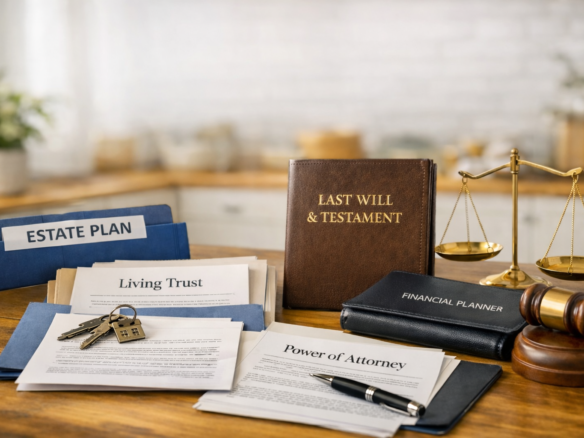
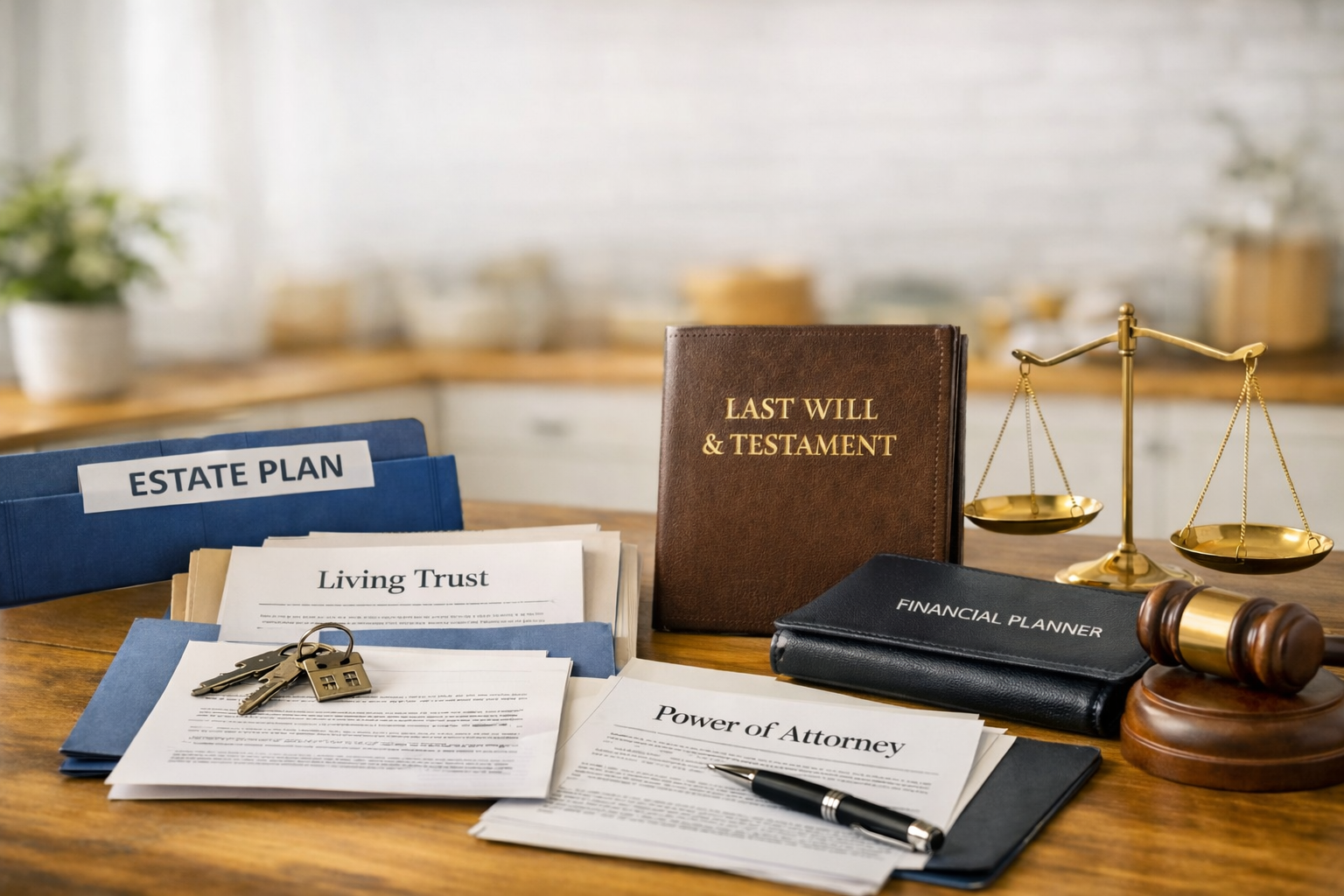
A better estate plan usually includes several tools working together. A will is the foundation, but it is often not enough on its own.
Important pieces may include:
Beneficiary reviews.
Durable power of attorney.
Healthcare directive.
Trusts, when appropriate.
Updated property ownership records.
Together, these documents help make sure your wishes are consistent across your entire estate. That consistency can reduce confusion and make life easier for your family later.
Common mistakes to avoid
One common mistake is creating a will and never updating it. Life changes such as marriage, divorce, a new child, or buying a home can all affect your estate plan.
Another mistake is forgetting to review beneficiary designations. These forms often override the will, so they should always be checked carefully. It is also important to make sure your home ownership records and legal documents are consistent.
What homeowners should do next
If you own a home, the best next step is to review your estate plan as a whole, not just the will. Ask whether your property titles, beneficiary forms, and other documents reflect your current wishes.
If everything is not working together, your family may face avoidable delays or legal complications later. A little planning now can help protect your home and your loved ones in the future.
Final thoughts
A will is a valuable part of estate planning, but it is only one piece of the puzzle. For homeowners and families, a complete plan should consider how each asset transfers and whether the right people are protected.
If your goal is to preserve peace of mind and make things easier for your family, it is worth looking beyond the will and building a more complete estate strategy.
Meta Description
Learn why homeowners need beneficiary reviews, trusts, and other estate planning tools.